Your Gut Is Talking — Fermented Foods Are the Best Way to Listen
Somewhere between your morning coffee and last night's leftovers, a community of roughly 38 trillion microorganisms is quietly running the show. Your gut microbiome — that dense, dynamic ecosystem of bacteria, fungi, and other microbes living in your digestive tract — influences everything from how well you absorb nutrients to how clearly you think on a Monday morning. And the food you eat is basically the landlord of that whole operation.
Fermented foods have been around for thousands of years. Kimchi in Korea, miso in Japan, kefir across Eastern Europe, sauerkraut in Germany — these weren't invented as wellness trends. They were survival tools, ways to preserve food before refrigeration existed. But now that science has caught up, we're starting to understand just how powerfully these ancient foods support modern health.
What's Actually Happening When Food Ferments
Fermentation is a metabolic process where naturally occurring bacteria or yeast break down sugars in food, producing lactic acid, alcohol, or other compounds as byproducts. That tangy bite in a good kimchi? That's lactic acid — a sign that Lactobacillus bacteria have been doing their thing.
The result isn't just preserved food. It's food that's been fundamentally transformed — easier to digest, richer in certain B vitamins, and loaded with live beneficial bacteria called probiotics. These probiotics, when consumed regularly, help diversify your gut microbiome. And diversity, researchers have found, is one of the strongest indicators of a healthy gut.
A landmark 2021 study out of Stanford University found that a diet high in fermented foods significantly increased microbiome diversity and decreased markers of inflammation — more so than a high-fiber diet alone. That's a pretty big deal when you consider that chronic inflammation is linked to everything from Type 2 diabetes to depression.
The Gut-Brain Connection Is Real (and Kind of Wild)
Here's where it gets interesting. Your gut and your brain are in constant communication through what scientists call the gut-brain axis — a two-way signaling highway that runs through the vagus nerve. About 90% of the body's serotonin, the neurotransmitter most associated with mood and emotional wellbeing, is actually produced in the gut.
That means what you feed your microbiome doesn't just affect digestion. It affects how you feel emotionally, how well you sleep, and how your body handles stress. Several studies have linked probiotic consumption to reduced symptoms of anxiety and depression, though researchers are careful to note this is a developing field and not a replacement for mental health care.
Still, the idea that a bowl of miso soup or a forkful of kimchi might contribute to a better mood isn't far-fetched. It's biology.
The Fermented Foods Worth Adding to Your Plate
Not all fermented foods are created equal when it comes to probiotic benefit. Here's a quick rundown of the heavy hitters:
Kimchi — The Korean staple made from fermented cabbage and spices is one of the most probiotic-rich foods you can eat. It's also high in fiber, vitamin C, and antioxidants. Eat it as a side dish, stir it into scrambled eggs, or toss it into fried rice.
Miso — A fermented soybean paste that's a cornerstone of Japanese cooking. It's packed with probiotics and adds an incredible depth of umami flavor to soups, dressings, and marinades. Just don't boil it — high heat kills the live cultures.
Kombucha — A fermented tea drink that's become a staple at farmers markets and natural grocery stores across the US. It contains probiotics, B vitamins, and organic acids. Look for low-sugar options; some commercial versions are closer to soda than health food.
Kefir — Think drinkable yogurt, but with a significantly more diverse range of probiotic strains. It's widely available in most US grocery stores and works beautifully in smoothies or poured over granola.
Tempeh — Fermented whole soybeans pressed into a dense cake. It's a fantastic plant-based protein source and one of the few fermented foods that also delivers a solid hit of prebiotics — the fiber that feeds your good gut bacteria.
Sauerkraut — Shredded fermented cabbage that deserves a spot beyond just hot dog toppings. Pile it on grain bowls, tuck it into wraps, or eat it straight from the jar as a probiotic snack.
Store-Bought vs. Homemade: Does It Matter?
This is where things get a little more nuanced — and where the sustainable wellness angle really comes into play.
Many commercial fermented products, especially sauerkraut and pickles sold in shelf-stable jars, have been pasteurized. Pasteurization kills harmful bacteria, but it also kills the beneficial live cultures that make fermented foods worth eating in the first place. If the label doesn't say "live and active cultures" or "raw," you may be getting the flavor without the probiotic payoff.
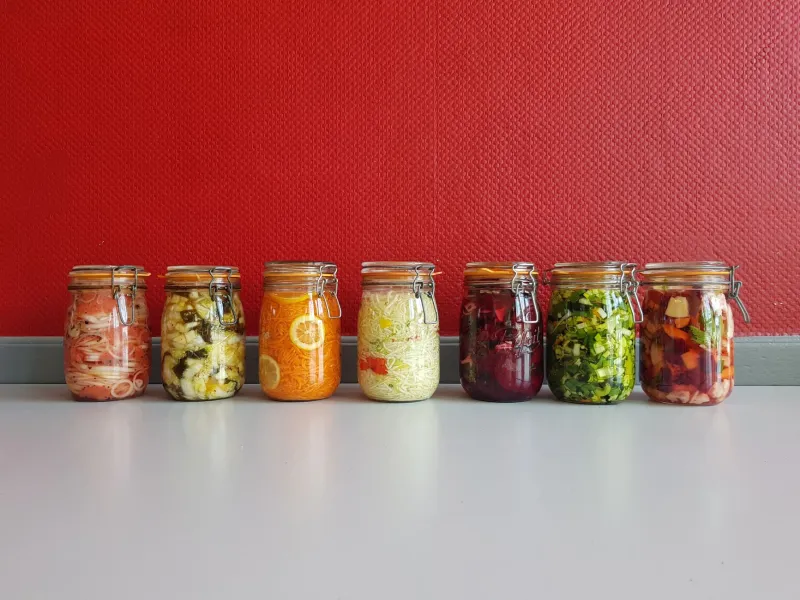
Homemade fermentation, on the other hand, is surprisingly simple, significantly cheaper, and gives you full control over what goes into your food. A basic batch of sauerkraut requires nothing more than cabbage, salt, a mason jar, and about a week of patience. Kimchi takes slightly more effort but follows the same general principle. And when you make it yourself, you're also cutting down on plastic packaging and food miles — a win for your gut and the planet.
If store-bought is your reality (and for a lot of us, it is), look for refrigerated versions from brands that are transparent about their fermentation process. Your local co-op or natural foods store is usually a better bet than the center aisle of a conventional supermarket.
Making Fermented Foods a Daily Habit
You don't need to overhaul your entire diet to get the benefits. Small, consistent additions tend to work better than dramatic short-term cleanses. Try starting with one serving of a fermented food per day and build from there as your gut adjusts — some people experience temporary bloating when they first introduce more probiotics, which is completely normal.
Practical entry points include:
- Swapping your morning OJ for a small glass of kefir or low-sugar kombucha
- Adding a spoonful of miso to salad dressings or vegetable soups
- Keeping a jar of kimchi or sauerkraut in the fridge as a ready-made condiment
- Using tempeh as your protein base two or three nights a week
Your microbiome didn't get where it is overnight, and it won't be transformed in a weekend. But consistent, real-food choices have a way of compounding over time. Start small, stay curious, and let your gut lead the way.