You're Paying Oat Milk Prices for Glorified Oat Water — Here's What's Actually in the Carton

The Carton Looks Convincing. The Ingredient List Doesn't.
Plant-based milks have had an incredible decade. They went from a niche refrigerator section item to a grocery store staple, spawning entire brand empires built on the promise of a cleaner, more ethical alternative to dairy. Almond milk alone is now a multi-billion dollar category in the US. Oat milk has its own cult following. Cashew, macadamia, pea protein — the options are genuinely impressive.
But here's the thing nobody on those sleek, minimalist cartons wants to talk about: most of what you're pouring into your morning coffee isn't almonds, or oats, or cashews. It's water. A lot of water. And a short but telling list of stabilizers, emulsifiers, and added vitamins thrown in to make it feel like nutrition.
Let's actually look at the numbers.
How Much Nut Is Actually in Your Nut Milk?
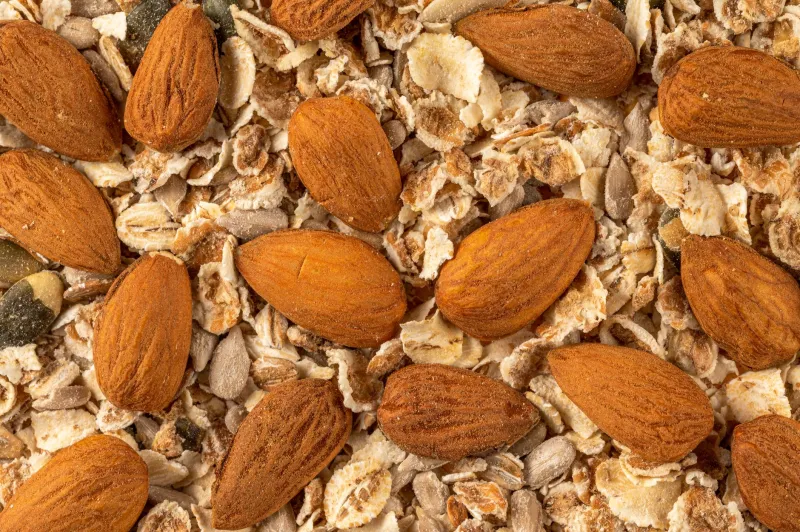
Almond milk is probably the most egregious example, and it's been the most widely scrutinized. A standard commercial almond milk — we're talking the kind you'd grab from a major brand at Whole Foods or Target — typically contains somewhere between 2% and 4% almonds by weight. That's roughly 4 to 6 almonds per one-liter carton.
Four to six almonds. In a full liter.
The rest is filtered water, and then a supporting cast that usually includes some combination of: sunflower oil (for creaminess), locust bean gum or gellan gum (to keep it from separating), natural flavors (a whole separate rabbit hole), added calcium carbonate, synthetic vitamin D2 or D3, and sometimes cane sugar or a sweetener.
Oat milk fares a little better in terms of the primary ingredient volume — you're typically looking at somewhere in the 10-15% oat range — but it comes with its own issues. Many commercial oat milks use an enzymatic process to break down oat starches into sugars, which is why they taste slightly sweet even in "unsweetened" versions. That process also affects the glycemic impact of the final product, something that often gets glossed over in the marketing.
Cashew milk? Similar story to almonds. Macadamia milk? Even lower nut content, often, because macadamias are expensive and the economics just don't work in your favor.
Why Are These Products Built This Way?
It comes down to cost, shelf stability, and texture engineering. Real nuts and seeds are expensive. Getting them to suspend evenly in water without separating — and then keeping that suspension stable for weeks on a refrigerated shelf, or months on an ambient one — requires either significant processing or a cocktail of stabilizers.
Manufacturers are also optimizing for a specific consumer experience: something that pours like milk, froths like milk, and tastes neutral enough to not overpower your cereal or latte. Real almond content at, say, 20-30% would produce something thick, rich, and full of flavor — which sounds great, but it would also cost significantly more to produce, have a shorter shelf life, and taste pretty different from what most consumers expect.
So the industry landed on a formula: use just enough of the "hero" ingredient to justify the name, then engineer everything else around it.
The Nutrition Problem Nobody Advertises
Here's where it gets frustrating from a wellness standpoint. Whole almonds are genuinely nutritious — good fats, vitamin E, magnesium, fiber. Oats have meaningful fiber content and beta-glucan, which has real research behind it for heart health. These are legitimately good foods.
But when you dilute them down to 2-4% of a beverage and then add synthetic vitamins to compensate, you're not really capturing that nutrition anymore. You're buying a fortified water product with great branding. The calcium in most commercial plant milks is added calcium carbonate — the same stuff in antacid tablets — not the calcium naturally occurring in almonds or oats, which your body may absorb differently.
That's not to say plant milks are useless. For people who can't or won't drink dairy, they serve a real purpose. But they shouldn't be confused with nutritionally equivalent alternatives to whole nuts, seeds, or even dairy, despite the way they're positioned on shelves and in advertising.
Making Your Own Changes Everything
This is the part of the conversation that actually excites us, because the solution is genuinely simple and the results are dramatically better.
Homemade almond milk with a real nut-to-water ratio — something like 1 cup of soaked almonds to 3-4 cups of water — produces a beverage that's creamier, richer, and actually tastes like almonds. You can feel the difference. The fat content is higher, the protein is more meaningful, and you're not adding gums or synthetic vitamins or sunflower oil.
The process takes about five minutes if you have a blender and a nut milk bag (or even just a fine mesh strainer and some cheesecloth). Soak your almonds overnight, drain them, blend with fresh filtered water, strain, done. It lasts about four days in the fridge.
Oat milk is even faster — you don't need to soak oats, and blending for 30 seconds and straining gives you a genuinely good product. One tip: don't over-blend oats, and use cold water, or you'll get a slimy texture from the starches breaking down too aggressively. A quick 20-30 second blend is all you need.
For people who need the convenience of a carton, there are a handful of smaller brands making higher-quality products with better ingredient ratios — Malk Organics, for example, uses a higher almond percentage and keeps the ingredient list genuinely short. Elmhurst makes "milked" products using a process that doesn't require gums or oils and retains more of the whole-food nutrition. These options tend to cost more, but you're actually getting something closer to what the label implies.
What to Look for If You're Buying Commercial
If you're not making your own and you want to make smarter choices at the store, here's a quick gut-check:
Flip the carton and read the ingredient list. If the first ingredient is water and the second is a gum or oil before you even get to the nut or grain, that tells you what you need to know.
Check the protein content. Real almond content at a meaningful percentage will show up as more than 1 gram of protein per serving. If you're seeing 0-1 gram, the nut content is minimal.
Look at the fat content. Almonds are fatty — in a good way. If your almond milk has less than 2-3 grams of fat per serving, the almond content is negligible.
Shorter ingredient lists are almost always better. The more gums, oils, and additives you see, the more engineered the product is to compensate for low real-food content.
The Bottom Line
Plant-based milks aren't inherently bad — they can be a useful, ethical alternative to dairy, and some are better than others. But the category as a whole has built its reputation on imagery and aspiration more than nutritional substance. You deserve to know what you're actually buying.
If you're drinking almond milk because you believe you're getting meaningful almond nutrition, you're mostly drinking expensive water with a handful of additives and some synthetic vitamins. That's worth knowing — not to make you feel bad about your grocery choices, but because good decisions start with accurate information.
Make your own when you can. Read the label when you can't. And maybe stop letting a carton with a picture of almonds on it do the nutritional thinking for you.