Fortified Doesn't Mean Nourished: The Truth About Synthetic Vitamins in Your Food
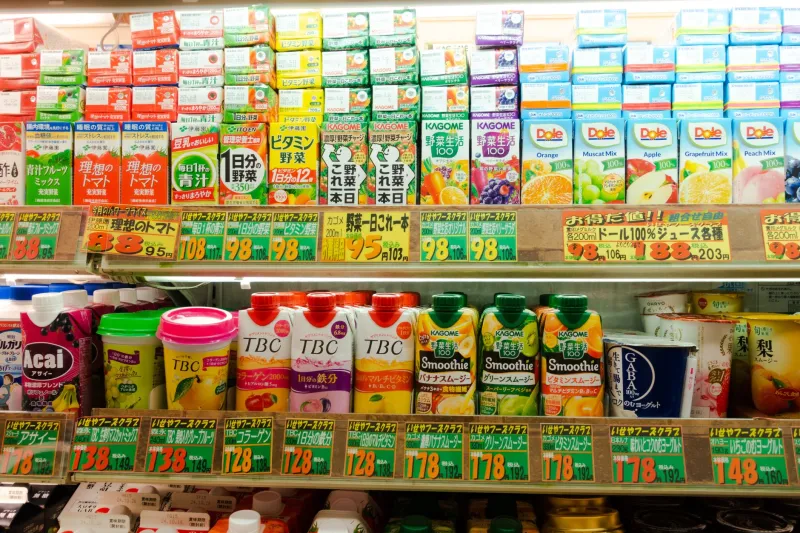
Walk down any breakfast aisle in America and you'll be bombarded with numbers. 100% Daily Value of Vitamin D! 25% of your iron! B vitamins galore! It reads like a nutrition clinic in a cardboard box. And for a lot of shoppers — especially parents trying to do right by their kids — those claims feel reassuring. Like proof that what's inside is actually good for you.
It isn't. Or at least, not in the way you're being led to believe.
Fortification — the practice of adding synthetic vitamins and minerals to processed foods — is one of the most effective pieces of nutritional sleight-of-hand the food industry has ever pulled off. It lets manufacturers take something nutritionally hollow, dust it with lab-made micronutrients, and sell it as health food. And the dirty little secret buried underneath all those impressive percentages? Your body often can't use what they're adding.
What Fortification Actually Is (And Why It Started)
To be fair, fortification wasn't always a cynical marketing play. When iodine was added to table salt in the 1920s, it genuinely helped wipe out iodine deficiency disorders across the country. Folic acid in grain products has meaningfully reduced neural tube defects. There are real public health wins in this story.
But somewhere along the way, the food industry figured out that "fortified" was a magic word — one that could transform a nutritionally bankrupt product into something that looked virtuous on a label. Now we're fortifying everything from orange-flavored breakfast cereal to oat milk to energy drinks, and calling it nourishment.
The problem isn't the intention. The problem is biology.
The Bioavailability Gap Nobody Talks About
Here's the concept that changes everything: bioavailability. It's the measure of how much of a nutrient your body can actually absorb and use after you consume it. And when it comes to synthetic vitamins sprayed onto processed food, the bioavailability story is often pretty grim.
Take iron. Many fortified cereals use a form called elemental iron — essentially tiny iron filings. Your body absorbs it poorly, especially compared to the heme iron found naturally in meat or even the non-heme iron in legumes and leafy greens, which comes packaged with co-factors that help your gut process it. Some studies suggest the absorption rate of elemental iron from fortified foods can be as low as 1–2%. The box says you're getting iron. Your cells are getting a fraction of the story.
Vitamin D is another one worth scrutinizing. Most fortified milks — dairy and plant-based alike — use vitamin D2 (ergocalciferol), the cheaper synthetic form. Your body prefers D3 (cholecalciferol), which is significantly more effective at raising blood levels of the active form your body needs. If you're relying on your morning almond milk to cover your vitamin D needs, especially in a northern city where sunlight is scarce half the year, you may be in for a rude awakening at your next blood panel.
And then there's folate versus folic acid. Folic acid is the synthetic version added to enriched grains and supplements. Your body has to convert it into the active form (5-MTHF) before it can use it. A surprisingly large portion of the population — some estimates put it at 40% or more — carries a genetic variation (MTHFR) that makes this conversion inefficient. For those people, all that folic acid in their fortified bread might be doing very little, or potentially accumulating in ways researchers are still studying.
Plant-Based Milks: A Special Case Worth Your Attention
If you've switched from dairy to oat, almond, or soy milk, you've probably noticed the labels go out of their way to mirror the nutritional profile of cow's milk. Calcium! Vitamin B12! Vitamin D! It's designed to feel like a seamless swap.
But the calcium added to most plant-based milks is calcium carbonate — the same stuff in antacid tablets. It settles at the bottom of the carton (that's why you have to shake it), and its absorption is highly dependent on stomach acid levels and whether you're consuming it with food. Dairy calcium, by contrast, comes naturally bound to proteins and other compounds that support uptake.
This doesn't mean plant-based milks are bad. It means you shouldn't assume the label's nutrient list translates directly into what your body receives. If plant milk is your primary calcium source, you'd be better served building calcium intake from whole foods like tahini, white beans, canned salmon with bones, or leafy greens like bok choy and kale.
Which Fortified Nutrients Are Actually Worth It
Not all synthetic vitamins are equally problematic. A few are worth calling out as genuinely useful, particularly for people with specific dietary needs.
Vitamin B12 is the clearest case. It doesn't occur naturally in plant foods, so for vegans and vegetarians, fortified foods and supplements are a legitimate and necessary strategy. The cyanocobalamin form used in most fortification is stable and reasonably well-absorbed for most people.
Iodine in iodized salt remains a public health essential, particularly as more people move to sea salt and specialty salts that often aren't iodized. If you're eating mostly whole foods and avoiding processed stuff, double-check that your table salt is iodized.
Folic acid during pregnancy still has strong evidence behind it — the neural tube protection window is early and critical. Just know that if you have MTHFR variants, your provider may recommend the methylated form (methylfolate) instead.
Everything else? Approach with healthy skepticism.
The Marketing Shield in Plain Sight
Here's the part that should genuinely bother you. Fortification doesn't just fill nutrient gaps — it functions as a reputational shield for products that have no business being called nutritious.
A breakfast cereal made primarily from refined corn flour, sugar, and artificial color is not a health food. But add a spray of synthetic B vitamins and iron before packaging, and suddenly it can make claims that compete with an actual meal. The fortification doesn't redeem the product. It just gives the marketing team something to work with.
The FDA's rules around nutrient content claims are real but limited. A company can say "good source of" a nutrient if the product delivers 10–19% of the daily value per serving — regardless of whether that nutrient came from a whole food source or was added in post-processing. The label doesn't have to tell you which.
What to Do With All of This
None of this means you need to panic-audit your pantry. But it does mean that "fortified" should stop functioning as a green light in your head.
When you're reading a label and the nutrient list is the main selling point, ask yourself: what's actually in this product before the vitamins were added? If the answer is refined grains, sugar, and stabilizers, the vitamins aren't saving it.
Prioritize whole food sources of the nutrients you need. Eggs for choline and D3. Fatty fish for omega-3s and D3. Legumes and dark leafy greens for folate and iron. Nuts and seeds for magnesium. These foods come with the co-factors, enzymes, and fiber that help your body actually do something with what you're eating.
Fortification was a genuine breakthrough when it addressed real deficiency diseases in the 20th century. But in 2024, it's been co-opted into a marketing language that lets processed food pose as nourishment. Your body deserves better than a label that promises nutrients it can barely absorb.
Eat the real thing when you can. And when you can't, at least know what you're actually getting.