That 'Clean' Snack Bar Is Lying to You — And Seed Oils Are Why
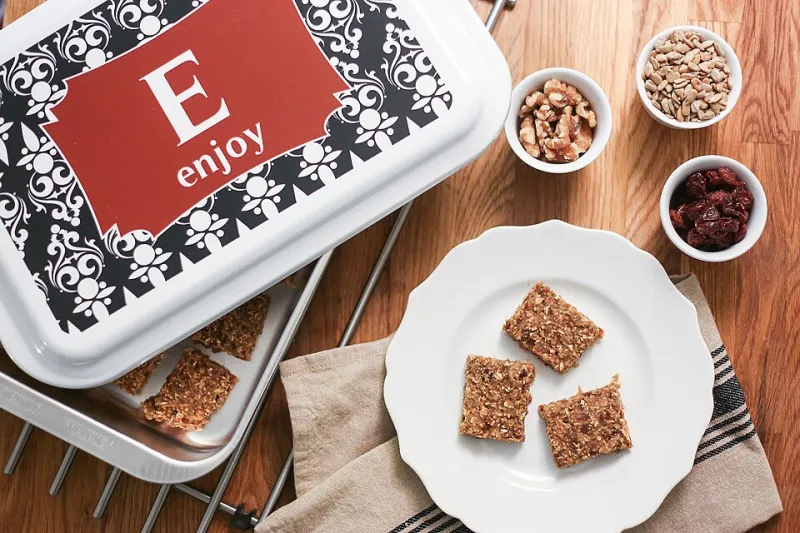
Photo: Personal Creations, CC BY 2.0, via Wikimedia Commons
You did everything right. You skipped the chips, passed on the candy, and reached for the snack with the earthy packaging and the little leaf logo. Maybe it said 'heart healthy' or 'made with wholesome ingredients.' You felt good about it.
Then you looked at the back label.
Somewhere between the oats and the brown rice syrup, tucked in like it belongs there, is canola oil. Or sunflower oil. Or soybean oil. Or some combination of all three. And if you've been paying attention to the conversation around inflammation and modern diet, that little detail matters a lot more than the marketing on the front of the bag.
What Even Are Seed Oils?
Seed oils are exactly what they sound like — oils extracted from seeds. That includes canola (from rapeseed), soybean, corn, sunflower, safflower, cottonseed, and grapeseed oil. They became a staple of the American food supply starting in the mid-20th century, largely because they were cheap to produce and easy to market as alternatives to animal fats like butter and lard.
The problem isn't that they come from plants. It's how they're made and what's in them.
Most industrial seed oils are extracted using high heat and chemical solvents — a far cry from cold-pressing an olive or cracking open a coconut. The process strips out nutrients and creates oxidized byproducts that your body doesn't exactly know what to do with. And because these oils are sky-high in omega-6 polyunsaturated fatty acids, they can throw off the omega-6 to omega-3 ratio your body depends on for balanced inflammatory response.
Historically, humans ate somewhere around a 4:1 ratio of omega-6 to omega-3. The modern American diet? Try 20:1. That imbalance is increasingly linked in research to chronic low-grade inflammation — the kind that quietly contributes to everything from joint pain and brain fog to metabolic issues and cardiovascular disease.
The Wellness Snack Trap
Here's the thing that really stings: the problem isn't limited to Doritos and gas station pastries. It's in the products marketed directly to people who are trying to eat better.
Grab a popular grain-free granola and check the label. Sunflower oil. Pick up a 'clean ingredients' protein chip. Canola or safflower oil. Even some organic crackers and plant-based jerky brands lean on these oils because they're inexpensive and shelf-stable.
Food brands know their audience. They know you're reading labels. So they lead with the good stuff — sprouted grains, superfoods, no artificial colors — and hope you don't make it all the way to the oil listed seventh or eighth in the ingredients. It's not technically a lie, but it's absolutely a misdirection.
The 'organic' stamp doesn't help as much as you'd hope here, either. Organic canola oil is still canola oil. The fatty acid profile doesn't change just because the crop was grown without synthetic pesticides.
How to Spot the Problem Oils
Reading labels becomes a lot easier once you know what to look for. Here's a quick mental list to run through at the store:
Skip or limit these:
- Canola oil
- Soybean oil
- Corn oil
- Sunflower oil (especially refined)
- Safflower oil
- Cottonseed oil
- Vegetable oil (usually a blend of the above)
- Grapeseed oil
These show up in snack bars, crackers, popcorn, nut butters, frozen meals, salad dressings, and even some supplements and protein powders. Once you start looking, you'll see them everywhere.
Better Fats Worth Seeking Out
The good news is that swapping in better oils isn't complicated or expensive — especially when you're making things at home.
Extra virgin olive oil is the gold standard for most everyday cooking and dressings. Look for a harvest date on the bottle and a dark glass container to protect against light oxidation. California Olive Ranch and similar domestic producers are solid options.
Coconut oil is stable at higher temperatures and works well for baking and sautéing. Choose unrefined, cold-pressed versions when you can.
Avocado oil has a high smoke point and a neutral flavor, making it genuinely versatile. It's also rich in oleic acid, the same heart-friendly monounsaturated fat found in olive oil.
Grass-fed butter and ghee are back on the table — literally. The demonization of saturated fats from quality animal sources has not aged well, and these are among the most stable cooking fats available.
For snacks specifically, the cleanest move is often just making your own. A batch of roasted nuts with olive oil and sea salt takes ten minutes. Homemade trail mix with real ingredients costs less than most branded alternatives and lets you control exactly what goes in.
Cleaning Out Your Pantry Without Losing Your Mind
You don't have to throw everything away tomorrow. A gradual swap-out is more realistic and less wasteful.
Start with your cooking oils — those are easy to replace and make an immediate difference. Then, as products in your pantry run out, look for replacements that use better fats. Brands like Siete, Primal Kitchen, and Once Again make snack and pantry staples with cleaner oil choices, though it's always worth verifying the current formula on the label since recipes can change.
When you're shopping, flip the package over before it goes in your cart. The front is marketing. The back is the truth.
You're already doing the work of reading labels — you just needed to know which line to read more carefully. Now you do.