Raw Sprouts Have a Dirty Secret — And Your Health Food Store Isn't Going to Tell You
Walk into any natural grocery store in the country and you'll find them nestled between the microgreens and the organic baby spinach — little plastic containers of alfalfa, clover, radish, or mung bean sprouts. The packaging is cheerful. The marketing language is confident. Words like living food, enzyme-rich, and superfood are practically guaranteed.
What the packaging won't mention: raw sprouts are one of the most consistently risky foods in the American produce aisle. Not because of pesticides or processing. Because of something far more fundamental — the conditions required to grow them are almost perfectly designed to cultivate dangerous bacteria right alongside all those celebrated nutrients.
This isn't a fringe concern. The FDA has been sounding the alarm on sprout safety since the 1990s. And yet here we are, still buying them by the handful and tossing them into smoothies and salads without a second thought.
Why Sprouts Are Uniquely Vulnerable
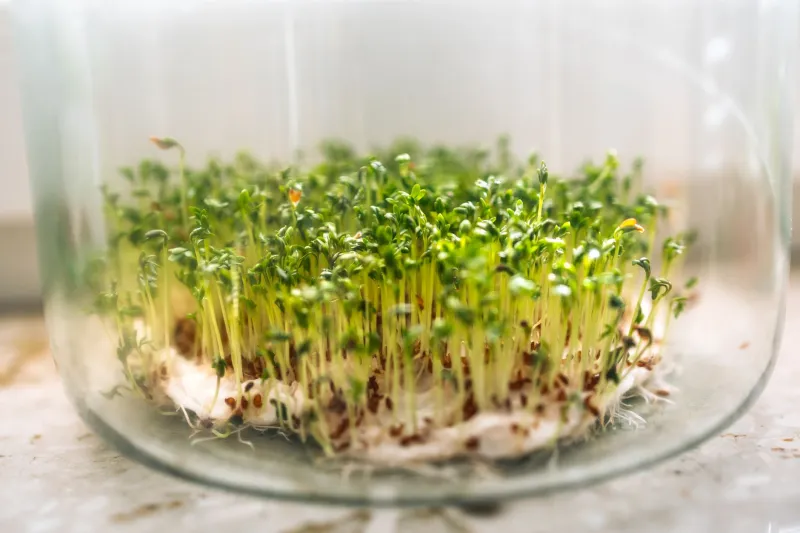
To understand the problem, you need to understand how sprouts are grown. Seeds are soaked in water, then kept in warm, humid conditions for several days while they germinate. That environment — moist, warm, and oxygen-rich — is essentially a five-star hotel for bacteria like Salmonella, E. coli O157:H7, and Listeria monocytogenes.
Here's the part that makes food safety experts genuinely nervous: contamination often begins at the seed level, before sprouting even starts. Pathogens can live on or inside the seed coat, and once you introduce warmth and moisture, you're not just germinating the sprout — you're potentially amplifying whatever microbial hitchhikers came along for the ride. Standard washing and rinsing practices, which work reasonably well for leafy greens or root vegetables, don't do much when the contamination is internal or embedded in a biofilm.
The FDA's own guidance states plainly that "children, the elderly, pregnant women, and persons with weakened immune systems should avoid eating raw sprouts of any kind." That's a pretty significant carve-out for a food that's being sold as a health product.
The Outbreak Record Is Not Reassuring
This isn't theoretical risk. Between 1996 and the early 2020s, the CDC linked more than 50 foodborne illness outbreaks in the US directly to raw sprouts. Those outbreaks collectively sickened thousands of people. Alfalfa sprouts alone have been implicated in multiple Salmonella outbreaks. Mung bean sprouts have triggered E. coli and Listeria scares. Clover sprouts have caused Salmonella outbreaks serious enough to prompt multistate recalls.
What's striking is how quietly these incidents tend to unfold. A recall gets posted on the FDA's website. A few local news outlets pick it up. And then it fades. The sprouts go back on the shelf under a different brand, and the wellness community keeps recommending them without missing a beat.
Part of the problem is that the sprout industry is fragmented. Many producers are small-scale operations with limited capacity for the kind of rigorous testing that larger food manufacturers are expected to perform. Seed sourcing is another weak link — contaminated seeds have been traced back to multiple outbreaks, and tracing the supply chain backward is notoriously difficult.
The Health Halo Is Real — But So Is the Tradeoff
None of this means sprouts aren't nutritious. They genuinely are. Sprouting increases bioavailability of certain vitamins and minerals, breaks down enzyme inhibitors, and can make legumes and grains easier to digest. Broccoli sprouts, in particular, have attracted serious scientific interest for their sulforaphane content, a compound with promising antioxidant and anti-inflammatory properties.
The problem is that the nutritional upside doesn't cancel out the microbial risk — especially when that risk is poorly understood by most consumers. A food can be simultaneously nutrient-dense and genuinely dangerous. These things are not mutually exclusive, and the wellness industry has a bad habit of treating them as if they are.
Growing Your Own: Safer, But Not Risk-Free
Home sprouting has become increasingly popular, partly because people assume that controlling the process themselves eliminates the danger. It reduces some risks, but it doesn't eliminate them — and that distinction matters.
If you want to sprout at home, here's how to do it as safely as possible:
Start with certified pathogen-tested seeds. This is the single most important step. Look for seeds explicitly sold for sprouting that have been tested for Salmonella and E. coli. Brands like Handy Pantry and Sprout People test their seeds and are transparent about it. Do not use garden seeds — they're often treated with chemicals not intended for consumption.
Sanitize your equipment before every batch. Jars, screens, trays — all of it. A diluted white vinegar rinse followed by a thorough air-dry is a reasonable minimum. Some home sprouters use a brief hydrogen peroxide soak on seeds before germination, though this step is optional and doesn't guarantee pathogen elimination.
Keep everything cool and dry between rinses. Rinse your sprouts at least twice daily and drain them thoroughly. Sitting water is your enemy. If your kitchen runs warm, consider moving your sprouting setup somewhere cooler.
Eat them quickly. Home-grown sprouts should be consumed within a few days of reaching their peak. The longer they sit, the greater the opportunity for microbial growth.
When in doubt, cook them. Heat kills the pathogens that make sprouts risky. Lightly sautéed mung beans or wilted alfalfa sprouts in a stir-fry are significantly safer than raw sprouts on a sandwich — and honestly, not much less delicious.
What to Look for If You're Still Buying Store-Bought
If you're not ready to give up commercial sprouts entirely, there are a few things worth checking. Look for brands that publish third-party testing results or explicitly state that their seeds are pathogen-tested. Packaging that includes a harvest date (not just a sell-by date) is a good sign — freshness matters. Avoid sprouts that look slimy, smell sour or musty, or have any visible discoloration.
Also worth considering: lightly cooked sprout options are starting to appear in some markets, particularly in Asian grocery stores where bean sprouts are commonly sold for stir-fry use. These are a genuinely lower-risk alternative that still delivers a lot of the nutritional benefit.
The Bigger Picture
The sprout situation is a useful case study in how the wellness world can get ahead of the evidence. Something gets labeled a superfood, it accumulates cultural momentum, and before long it's in every grain bowl and juice cleanse without anyone asking hard questions about where it came from or how it was handled.
Good natured eating isn't just about maximizing nutrients. It's about making informed choices — which means knowing when a food's risk profile deserves more scrutiny than the label is giving you. Sprouts aren't poison. But they're not the uncomplicated health win they're often sold as, either.
Grow them carefully. Cook them when you can. And maybe stop assuming that anything sold in a natural foods store is automatically safe.