Before You Drop $40 on That Mushroom Powder, Read This
Somewhere between your wellness influencer's morning routine and that sleek brown bag at Whole Foods, mushrooms became medicine. Or at least, that's what the packaging wants you to believe.
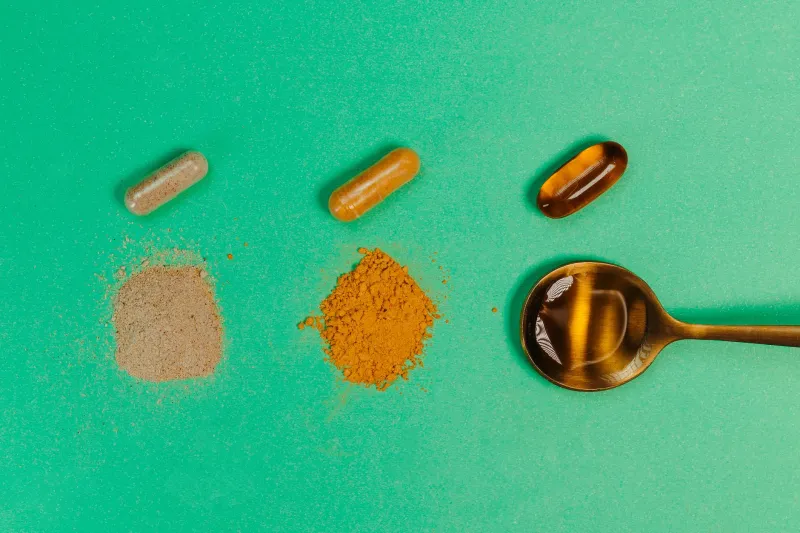
Functional mushroom supplements — lion's mane, reishi, chaga, cordyceps, turkey tail — have exploded into a multi-billion-dollar market almost entirely on the back of social media hype and some genuinely interesting (but frequently misrepresented) science. Walk into any health food store in the US right now and you'll find shelves lined with mushroom powders, capsules, tinctures, and coffee blends promising everything from sharper focus to immune system overhauls.
Some of these claims have real scientific roots. Most of the products making those claims, though? That's where things get murky.
The Science Is Real. The Marketing Is Not.
Let's start with what's actually true. Certain mushroom species do contain bioactive compounds that researchers have been studying for decades — particularly beta-glucans, which are polysaccharides with documented immune-modulating properties. Lion's mane has been studied for its potential effects on nerve growth factor, with some small trials showing promise for cognitive function. Turkey tail contains polysaccharopeptide (PSP), which has been researched in cancer care contexts, particularly in Japan. Reishi has a long history in traditional Chinese medicine and some evidence supporting its anti-inflammatory properties.
That's real. That's legitimate science. The problem is that a TikTok selling you a $45 lion's mane latte blend is not a clinical trial, and the leap from "shows promise in preliminary research" to "will fix your brain fog" is a canyon, not a step.
Most of the human studies on functional mushrooms involve small sample sizes, short durations, and — critically — standardized, carefully dosed extracts. Not the mystery powder someone's spooning into oat milk.
The Extraction Problem Nobody Talks About
Here's the thing that supplement brands really don't want to explain in their Instagram captions: mushrooms have cell walls made of chitin, the same tough material in insect exoskeletons. Your digestive system cannot break chitin down efficiently. Which means that if you're consuming raw dried mushroom powder — which a surprising number of products are — you're likely getting very little of the beneficial compounds your body can actually use.
Effective extraction matters enormously. Hot water extraction pulls out water-soluble beta-glucans. Alcohol extraction is needed for fat-soluble compounds like the triterpenes in reishi. A dual extraction process — using both — is what produces a genuinely full-spectrum mushroom extract. This is not a minor technical detail. It's the difference between a supplement that does something and one that's essentially expensive mushroom flour.
Many brands don't disclose their extraction method at all. Others use vague language like "whole fruiting body" or "concentrated extract" without telling you how that extraction was performed or what percentage of active compounds is actually present.
And then there's the mycelium-on-grain problem. Some manufacturers grow mushroom mycelium — the root-like structure, not the actual mushroom — on grain substrates like oats or rice, then grind the whole thing up. The result can be more grain starch than mushroom compounds. Brands using this method aren't technically lying when they list mushroom mycelium on the label. But you might be paying a premium price for something with a beta-glucan content closer to oatmeal than a medicinal mushroom extract.
Dosage Is Where the Dream Collapses
Even if a product uses quality fruiting bodies and proper extraction, dosage is a whole other issue. The clinical studies that show positive results for lion's mane cognitive effects typically use doses in the range of 500mg to 3,000mg per day of concentrated extract. Many popular mushroom supplements — especially those blended into coffee or wellness powders — contain a fraction of that per serving.
Some products contain as little as 50-100mg of a mushroom blend across five or six different species. That's not a therapeutic dose of anything. It's a marketing ingredient list.
When a company is putting eight different mushrooms into one capsule at a total of 500mg, do the math: that's potentially 60mg of lion's mane, 60mg of reishi, 60mg of chaga, and so on. No study has shown benefits at those levels. You're essentially paying for the idea of mushrooms.
What to Actually Look For
None of this means functional mushrooms are a scam. Some products are genuinely well-made and worth considering. Here's how to tell the difference before you spend your money:
Look for "fruiting body" on the label. Fruiting bodies — the actual mushroom caps and stems — contain higher concentrations of beneficial compounds than mycelium-on-grain products. If a label only says "mycelium" without specifying the substrate, that's a yellow flag.
Check for beta-glucan content. Reputable brands will list the percentage of beta-glucans on the label — typically 20-40% or higher for a quality extract. If that number isn't there, you have no idea what you're actually getting.
Understand the extraction method. Dual extraction (hot water + alcohol) is ideal for most species. At minimum, a company should be transparent about how their product is processed.
Verify third-party testing. Look for products that have been tested by independent labs for purity, potency, and the absence of heavy metals. Mushrooms are bioaccumulators — they absorb whatever's in their growing environment, including contaminants. This isn't optional.
Be skeptical of blends. A product with twelve mushroom species in one capsule is almost certainly under-dosed on everything. Single-species or small-blend products with clear dosing are a better bet.
The Bigger Picture
Functional mushrooms sit at an interesting intersection: they have more legitimate scientific backing than a lot of what fills supplement shelves, but they've also been swallowed whole by a wellness industry that runs on aspiration and aesthetic packaging. The gap between what the research actually shows and what brands are implying on social media is enormous.
If you're genuinely curious about mushroom supplements — and there are reasonable grounds to be — approach them the way you'd approach any wellness investment. Ask hard questions. Read labels critically. Understand that "adaptogen" is not a regulated term and "supports cognitive function" is not the same as "proven to improve cognitive function."
The mushrooms themselves are fascinating, deeply studied organisms with real biological complexity. They deserve better than being turned into a $40 jar of vague wellness promises.
Spend your money on the ones that can actually prove what's inside.