When 'Plant-Based' Means 'Made in a Chemical Plant': The Truth Behind Your Food's 'Natural' Additives
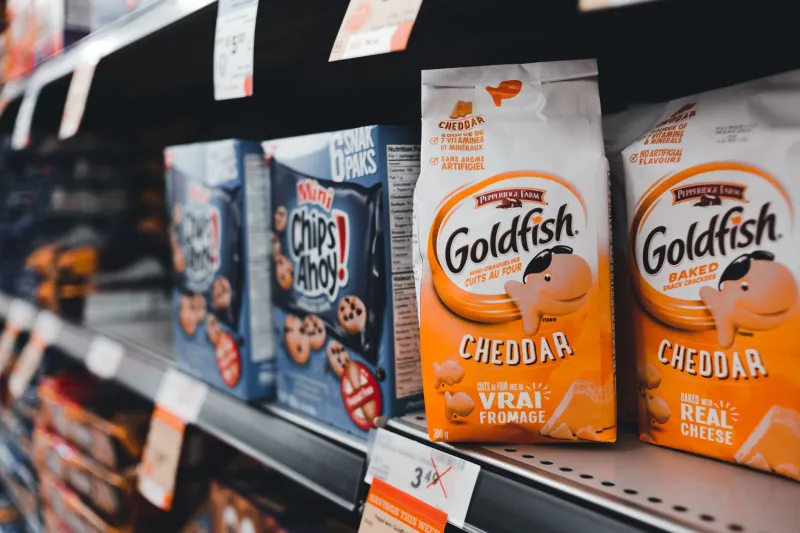
Pick up almost any packaged food at a Whole Foods, a Target, or your neighborhood co-op these days, and you'll find the same comforting language splashed across the front: natural ingredients, plant-derived, no artificial additives. It feels wholesome. It feels honest. It feels like someone, somewhere, actually cared about what went into that bag.
But flip it over and read the fine print, and things get a little murkier. Xanthan gum. Carrageenan. Maltodextrin. Citric acid. Soy lecithin. These are the quiet workhorses of the modern processed food industry — and they show up in products marketed to health-conscious consumers just as often as they do in the junk food aisle. The difference is that in the "clean" version, they come with a story.
The story, more often than not, is incomplete.
The Gap Between 'Natural' and 'From Nature'
Here's the thing the food industry counts on you not knowing: under FDA regulations, the word natural has no formal legal definition when it comes to food additives and processing. The agency has acknowledged this gap for decades and hasn't closed it. That ambiguity is a goldmine for food marketers.
An ingredient can technically be derived from a natural source — a plant, a microorganism, a mineral — and still undergo processing so intensive that the final product barely resembles anything that ever grew in soil. The original biological material becomes a kind of origin story, a PR-friendly footnote that justifies the label while the actual manufacturing reality stays tucked behind factory walls.
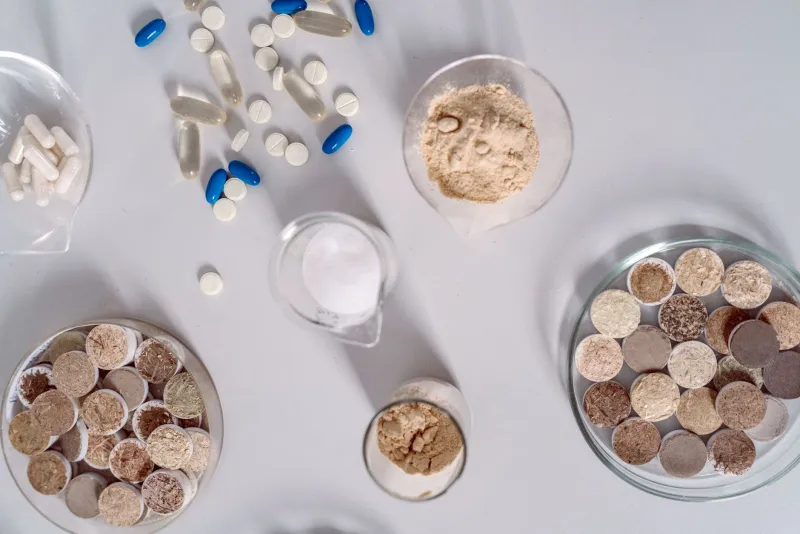
This is the lab-to-lunch pipeline. And it runs a lot longer than most shoppers realize.
Xanthan Gum: A Microbial Marvel With a Very Industrial Backstory
Xanthan gum is practically everywhere now — in gluten-free baked goods, salad dressings, non-dairy creamers, even some "clean" protein shakes. It's marketed as a natural thickener, and technically, that's not wrong. It's produced by fermenting sugars using a bacterium called Xanthomonas campestris.
So far, so natural, right?
Except the fermentation happens in large industrial bioreactors. After fermentation, the gum is precipitated out using isopropyl alcohol — yes, the same stuff in rubbing alcohol — then dried, milled, and processed into the fine powder you see listed on your ingredient label. The bacteria are gone. The sugars are gone. What's left is a highly refined polysaccharide that your gut can't digest and that carries essentially zero nutritional value.
It's not dangerous for most people. But it's also not a handful of seeds your great-grandmother would have recognized as food.
Carrageenan: When 'Seaweed Extract' Gets Complicated
Carrageenan sounds earthy and oceanic. It comes from red seaweed, which is genuinely natural. But the extraction process involves treating the seaweed with potassium hydroxide — a strongly alkaline chemical — at high temperatures, followed by filtration, bleaching, and drying.
What's left is an emulsifier used to keep ingredients from separating in things like almond milk, coconut yogurt, and infant formula. The nutritional content of the original seaweed? Gone. The beneficial compounds? Processed out. What remains is a functional food chemical that has faced ongoing scrutiny from researchers concerned about its potential to trigger gut inflammation — concerns serious enough that the National Organic Standards Board voted to remove it from the list of approved organic ingredients back in 2016, though that decision was later reversed under industry pressure.
That back-and-forth tells you something important about how these decisions get made.
Citric Acid: Not From Citrus Anymore
Ask most people where citric acid comes from and they'll say lemons. That's a reasonable guess — it's literally in the name. But the citric acid in your food almost certainly has never been near a piece of fruit.
Since the early 20th century, the vast majority of commercial citric acid has been produced by fermenting black mold (Aspergillus niger) on glucose derived from corn — often genetically modified corn. The mold produces citric acid as a metabolic byproduct, which is then extracted, purified, and dried.
This matters for a few reasons. People with mold sensitivities or corn allergies can react to this form of citric acid in ways they wouldn't to the compound naturally occurring in fruit. And for shoppers trying to avoid GMO-derived ingredients, it's essentially invisible — because the label just says citric acid, full stop.
Maltodextrin: The Filler That Hides in Plain Sight
Maltodextrin is one of the most widely used food additives you've probably never thought about. It's a cheap, highly processed carbohydrate derived from corn, wheat, or potato starch — typically through enzymatic hydrolysis, a chemical breakdown process that produces a fine white powder with a glycemic index higher than table sugar.
You'll find it in protein powders, low-calorie snacks, and products marketed for "sustained energy." It acts as a filler, a texture enhancer, and a shelf-life extender. It has no meaningful nutritional value and can spike blood sugar faster than a candy bar. And yet it quietly appears in products with labels that say things like real ingredients and nothing artificial.
Because technically, it started as a plant. That's enough.
Why This Matters for How You Shop
None of this means you need to panic every time you see an unfamiliar ingredient. Most of these additives are considered safe for general consumption. But "safe" and "good for you" are different standards, and "plant-derived" and "minimally processed" are very different things.
The issue isn't just health — it's honesty. When a brand positions itself as clean, natural, or close to the earth, and then relies on industrially processed chemical derivatives to achieve the right texture, shelf life, or flavor profile, there's a gap between the story being told and the reality in the package. That gap costs you money and, potentially, trust in your own food choices.
A few practical ways to close that gap:
- Shorter ingredient lists are generally better. If a product needs six different gums and emulsifiers to hold together, ask yourself what it's compensating for.
- Learn the aliases. Citric acid, xanthan gum, carrageenan, maltodextrin, soy lecithin — these are so common they've become background noise. Noticing them is the first step.
- Look for third-party certifications with actual teeth. USDA Organic still restricts many synthetic additives, even with its imperfections. It's a higher bar than "natural."
- Whole foods don't need a label. An apple doesn't have to tell you it's plant-based. The more a product has to announce its wholesomeness, the more skeptical it's worth being.
The Real Clean Standard
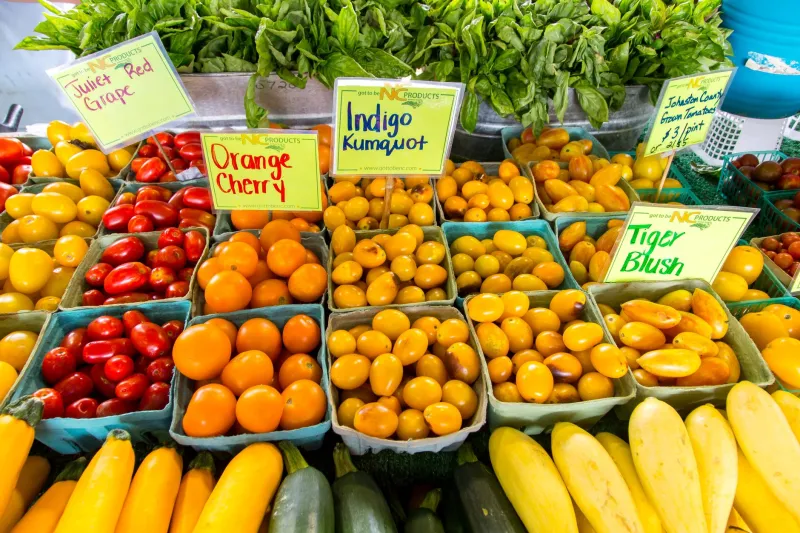
Good food doesn't need a marketing team to justify itself. The closer something is to the way it grew — the less distance between the farm and your fork — the less likely it is to contain ingredients that started their journey in an industrial bioreactor or a chemical extraction tank.
That's not a perfect standard. It's not always accessible or affordable. But it's a useful north star when the labels are doing their best to confuse you.
The next time a package promises you something natural, ask yourself: natural compared to what? The answer might surprise you.