Two Words on an Ingredient List That Can Mean Almost Anything: The 'Natural Flavors' Problem
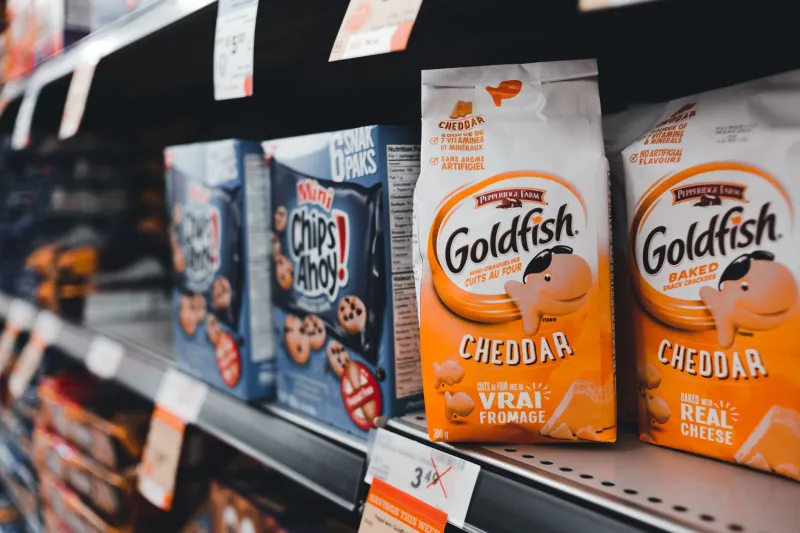
You're standing in the natural foods aisle, turning over a bag of something that promises to be simple, clean, and free of junk. The ingredient list is short. You recognize most of the words. And then, near the bottom, tucked in almost apologetically between sea salt and sunflower lecithin: natural flavors.
Seems harmless enough. Natural, even. It's right there in the name.
Except it isn't harmless. And it definitely isn't always natural — at least not in the way most of us understand that word.
What the FDA Actually Says
The Food and Drug Administration defines a natural flavor as anything derived from a plant, animal, seafood, dairy product, fermentation byproduct, or similar biological source — as long as its primary purpose is to add flavor rather than nutrition. That sounds reasonable until you realize how much that definition allows.
Under that umbrella, a "natural flavor" can be extracted using chemical solvents, processed in a laboratory through dozens of steps, and combined with synthetic carriers, preservatives, and emulsifiers — and still legally appear on your label as two vague, friendly words. The source material might be biological, but what ends up in your food can be a highly engineered compound that looks nothing like what it came from.
And here's the part that really stings: manufacturers are not required to tell you what that flavor actually is, where it came from, or how it was made. It's considered a trade secret.
The Vegan Trap
Let's say you're avoiding animal products. You check the label. No meat, no dairy, no eggs listed. But that "natural flavor" at the bottom? It might be derived from beef, pork, chicken, or shellfish.
This isn't a fringe concern. Castoreum — a secretion from beaver anal glands — has historically been used as a natural flavoring in vanilla, raspberry, and strawberry products. Carmine, derived from crushed cochineal insects, shows up in red-tinted foods and is sometimes listed as "natural color" or simply folded into a broader flavoring description. L-cysteine, sometimes used as a flavor enhancer in baked goods, is often sourced from duck feathers or human hair.
None of that has to be disclosed. The label just says natural flavors, and you move on.
For people with dietary restrictions based on ethics, religion, or allergy management, this is more than an annoyance. It's a real problem with real consequences.
What's Actually in the Bottle
Flavor science is a massive, largely invisible industry. Companies like Givaudan, Firmenich, and International Flavors & Fragrances generate billions of dollars annually creating proprietary flavor compounds that food brands license and drop into their products. These formulations can contain dozens of individual chemical components — and the brand selling you the snack often doesn't know the full breakdown either.
The compounds themselves may be derived from natural sources but are frequently processed using synthetic solvents like hexane, propylene glycol, or ethanol. Carriers and preservatives added to stabilize the flavor — things like BHA, polysorbate 80, or modified starches — don't have to appear separately on the ingredient list if they're considered incidental additives. They hitch a ride inside "natural flavors" and never get their own line item.
So when a brand tells you their product has "only six ingredients," that sixth ingredient might actually be thirty.
Why 'Clean Label' Marketing Makes This Worse
The clean eating movement has pushed food brands to simplify their labels. Shorter ingredient lists signal trustworthiness. Recognizable words signal transparency. And companies have responded — not always by actually simplifying their formulas, but by consolidating what's disclosed.
"Natural flavors" is the perfect hiding spot. It's short. It sounds benign. It fits the aesthetic of a clean label without actually delivering on the promise. A product can strip out artificial dyes and synthetic preservatives, slap a "no artificial ingredients" banner on the front, and still contain a proprietary flavor blend that includes compounds you'd never knowingly put in your body.
This is legal. It is common. And it is absolutely by design.
How to Actually Decode This on a Label
You can't always know what's in a natural flavor, but you can make smarter choices about when and how much you trust it.
Look for specificity. Brands that are genuinely committed to transparency will often name the actual flavor source — "natural vanilla flavor (from vanilla bean extract)" or "natural smoke flavor (from hickory)." Vague is a red flag. Specific is a green one.
Check for third-party certifications. Certified vegan or kosher certifications require that all ingredients — including natural flavors — meet the standard. If a product carries a legitimate vegan certification from an organization like Vegan Action or the Vegan Society, that "natural flavor" has been vetted for animal derivatives.
Email the brand. This sounds tedious, but it works. Genuinely transparent companies will tell you what their natural flavors are derived from. If they won't or can't answer, that tells you something.
Prioritize whole food formats. The more a product is processed, the more likely it is to contain flavor additives. Choosing foods that don't require much flavoring — whole grains, dried legumes, plain nuts, fresh produce — sidesteps the issue almost entirely.
Use databases. Apps like Open Food Facts and Yuka pull together ingredient transparency data and flag potentially concerning additives. They're not perfect, but they're a useful starting point.
The Brands Getting It Right
Some companies have made genuine ingredient transparency part of their identity. Brands like Purely Elizabeth, Bob's Red Mill, and Thrive Market's house label tend to name flavor sources explicitly or avoid added flavorings altogether. Small-batch and direct-to-consumer brands often have more control over their supply chains and more motivation to be honest with their customers.
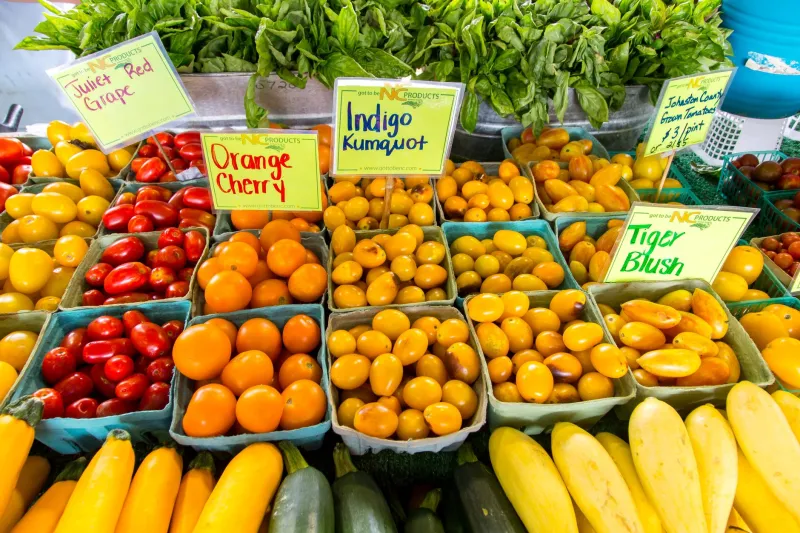
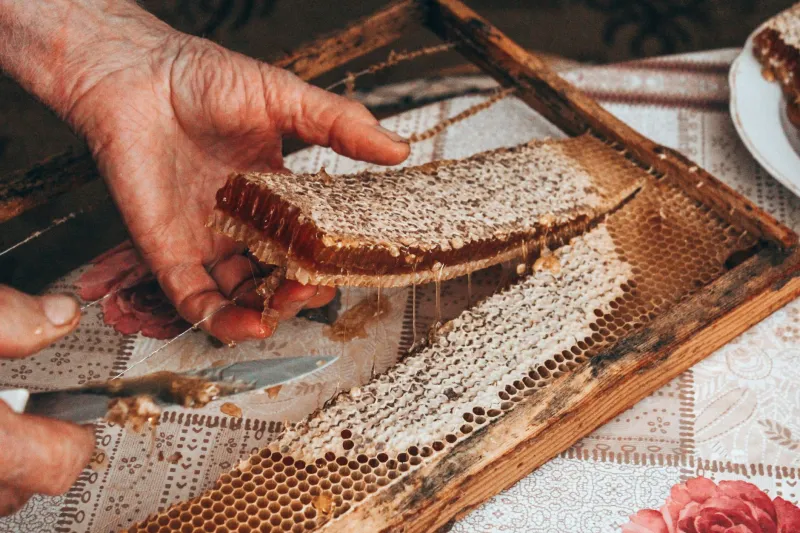
Farmer's markets and local food producers are also worth mentioning here — not just as a shopping recommendation, but as a reminder of what food transparency actually looks like. When you buy jam from someone who made it in their kitchen, you can ask what's in it and get a real answer. That's the standard industrial food should be held to, and isn't.
The Bigger Picture
The natural flavors loophole isn't just a consumer annoyance. It's a symptom of a regulatory system that was designed to accommodate industry convenience rather than consumer clarity. The FDA's definition hasn't been meaningfully updated in decades, and lobbying from the flavor industry has kept it comfortably vague.
Until that changes, the burden falls on us — the people buying the food — to ask harder questions, read past the front-of-package claims, and support brands that treat ingredient transparency as a baseline rather than a marketing differentiator.
Two words shouldn't be able to hide thirty ingredients. But right now, they can. And the first step to changing that is knowing it's happening.