The Cooking Oil Confusion, Cleared Up: How to Choose Fats That Are Good for You and the Planet

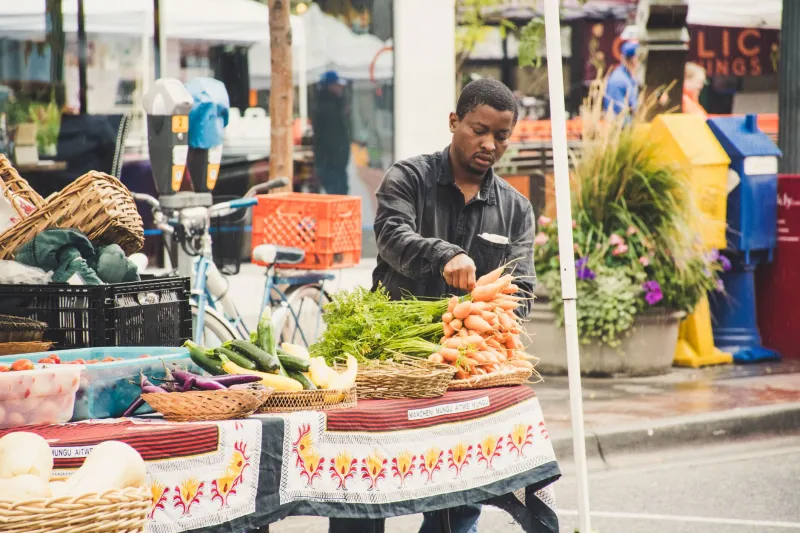
Photo by Photo by Marc Pell on Unsplash on Unsplash
If you've spent any time in wellness circles lately, you've probably heard that seed oils are poison. Or that they're totally fine. Or that it depends on which ones. Or that your great-grandmother used lard and lived to 94, so maybe we should all just do that.
The seed oil debate has become one of those internet rabbit holes where nuance goes to die. On one side, carnivore diet advocates are tossing their canola oil and replacing it with beef tallow. On the other, mainstream dietitians are reassuring everyone that vegetable oils are heart-healthy and perfectly safe. Both camps have cherry-picked data. Neither is giving you the full picture.
At Good Natured Food, we're less interested in winning an argument than in helping you make choices that align with both your health and your values. So let's actually look at what's going on here — from the farm to the frying pan.
What Are Seed Oils, Exactly?
The term "seed oils" typically refers to oils extracted from seeds and grains: canola (rapeseed), corn, soybean, sunflower, safflower, cottonseed, and grapeseed are the most common. These are sometimes called "industrial" or "refined" vegetable oils because the extraction process often involves high heat, chemical solvents like hexane, and multiple rounds of refining to remove color, odor, and impurities.
That processing matters — not just nutritionally, but from a sustainability standpoint too.
The Omega-6 Question
The most substantive nutritional concern about seed oils centers on their omega-6 fatty acid content, specifically linoleic acid. Omega-6s aren't inherently bad — your body needs them. The issue is ratio. Humans evolved eating roughly equal amounts of omega-6 and omega-3 fatty acids. The modern American diet has pushed that ratio to somewhere between 15:1 and 20:1 in favor of omega-6s, largely because seed oils are in nearly every processed food on the market.
High omega-6 intake relative to omega-3s is associated with increased inflammation markers in some research, though the science is genuinely complex and still evolving. What's less debatable is that the source of those omega-6s matters. Cold-pressed, unrefined sunflower oil used occasionally in cooking is a very different product than the refined soybean oil that's been sitting in a fast food fryer for hours.
Oxidation is the other piece of this. Many seed oils have low smoke points or become chemically unstable at high heat, producing compounds called aldehydes that have been linked to cellular damage in some studies. This is a real consideration — and it's why how you use an oil is just as important as which oil you use.
The Agricultural Footprint Nobody Mentions
Here's where the sustainability angle comes in, and it's one that rarely gets airtime in the seed oil debate.
Soybean oil is the most consumed cooking oil in the United States. And soybeans — the vast majority of which are genetically modified and grown using glyphosate-based herbicides — are one of the leading drivers of deforestation globally, particularly in South America. Corn oil comes with its own baggage: corn is one of the most pesticide- and fertilizer-intensive crops in American agriculture, and it's heavily dependent on monoculture farming practices that deplete soil health over time.
Canola oil, made from rapeseed, is slightly more complicated. It requires less water than many crops and can be part of a healthy crop rotation. But most commercial canola is GMO, and the refining process is energy-intensive. Organic, cold-pressed canola is a genuinely different product — but it's not what's in most restaurant kitchens or grocery store bottles.
This doesn't mean you should never use these oils. It means the conversation about which fats to cook with should include where they come from and how they were produced — not just their fatty acid profile.
Traditional Fats: A Reassessment
Saturated fats spent decades as the dietary villain, but the science has shifted considerably. The 2015 Dietary Guidelines Advisory Committee quietly acknowledged that dietary cholesterol was no longer a nutrient of concern, and subsequent meta-analyses have challenged the direct link between saturated fat consumption and cardiovascular disease that defined nutrition advice for a generation.
That's opened the door for a more nuanced look at traditional fats:
Butter and ghee from grass-fed cows contain a more favorable fatty acid profile than conventional dairy fat, including higher levels of conjugated linoleic acid (CLA) and fat-soluble vitamins. Ghee's higher smoke point makes it particularly useful for high-heat cooking. Brands like Organic Valley Pasture Butter and 4th & Heart ghee offer pasture-raised options.
Extra virgin olive oil remains one of the most well-studied and consistently supported cooking fats in the literature. Its high oleic acid content makes it reasonably stable at moderate heat, and its polyphenol content offers genuine anti-inflammatory benefits. Choose cold-pressed, California-grown options for fresher oil with a more verifiable supply chain — California Olive Ranch and Kosterina are solid domestic picks.
Avocado oil has a high smoke point and a neutral flavor, making it genuinely versatile. Look for cold-pressed, unrefined versions. The avocado industry has its own water-use concerns, particularly in drought-prone growing regions, so it's not without tradeoffs.
Coconut oil is best used in specific applications rather than as an everyday cooking fat. Its high saturated fat content isn't necessarily the red flag it was once considered, but it's also not a nutritional panacea. Fair-trade, organic coconut oil supports small-scale farmers in tropical growing regions.
The Underrated Options Worth Exploring
A few less-talked-about fats deserve more shelf space in American kitchens:
Pasture-raised lard and tallow. Yes, really. Animal fats from well-raised animals have a reasonable fatty acid profile and are remarkably stable at high heat. They're also a byproduct of meat production, making them arguably less wasteful than a dedicated oil crop. Small farms and butchers are increasingly offering these — worth seeking out at your local farmers market.
Organic sesame oil. Cold-pressed sesame oil contains lignans with antioxidant properties and adds incredible depth of flavor. It's best used as a finishing oil rather than for high-heat cooking.
Camelina oil. This one's genuinely obscure, but it deserves attention. Camelina is an ancient seed crop that grows in cold climates with minimal inputs, requires little water, and can be grown on marginal land. Its oil has a favorable omega-3 to omega-6 ratio and a decent smoke point. It's not widely available yet, but a few specialty producers are starting to bring it to market.
So, What Should Actually Be in Your Kitchen?
Rather than one universal answer, think about building a small rotation based on use:
- High heat (roasting, searing, frying): Avocado oil, ghee, pasture-raised lard or tallow
- Medium heat (sautéing, baking): Extra virgin olive oil, butter
- No heat (dressings, finishing): High-quality EVOO, sesame oil, flaxseed oil
- Occasional use: Organic coconut oil for specific recipes
And when you do reach for a seed oil — because sometimes you will, and that's fine — choose organic, cold-pressed versions and avoid high-heat applications.
The Bigger Picture
The cooking fat you choose is one small piece of a much larger food system. But small choices, made consistently and thoughtfully, add up. Opting for oils from crops grown with fewer inputs, supporting domestic producers, and avoiding heavily processed fats when you have better options — that's what eating with intention actually looks like.
You don't have to be perfect. You just have to be curious.